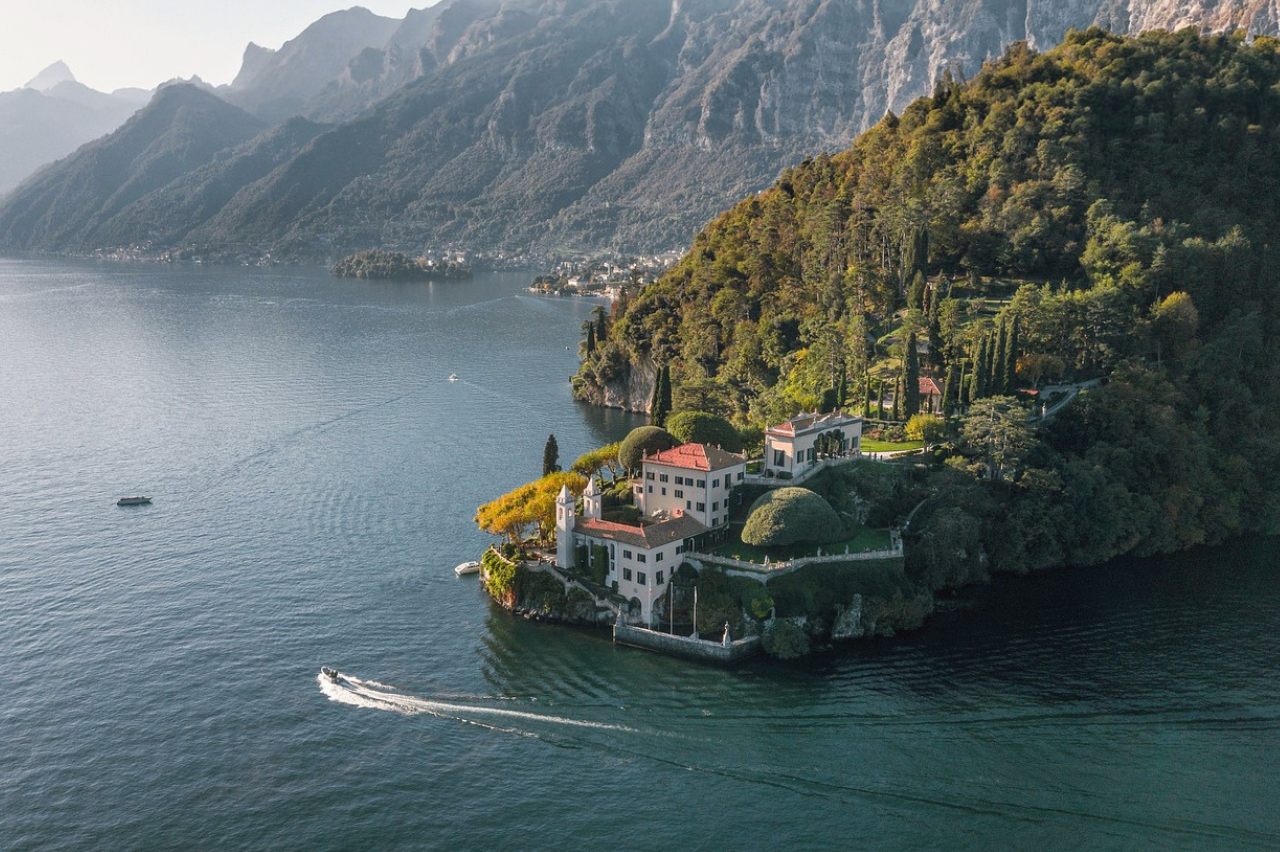
Italy has become one of the most requested destinations for Irish couples getting married abroad, and the reason is more practical than romantic.
Dublin to Milan is under three hours. A villa on Lake Como that would cost a fortune to replicate at home comes with five centuries of architecture already built in, and September in northern Italy delivers weather that Ireland cannot promise in any month. For couples looking at getting married on Lake Como or anywhere across the northern lakes, the appeal is obvious the moment they see the first photograph.
What’s less obvious is everything that happens between that photograph and the day itself. So let’s talk through the practical side.
The Wedding Locations in Italy That Actually Suit Irish Couples
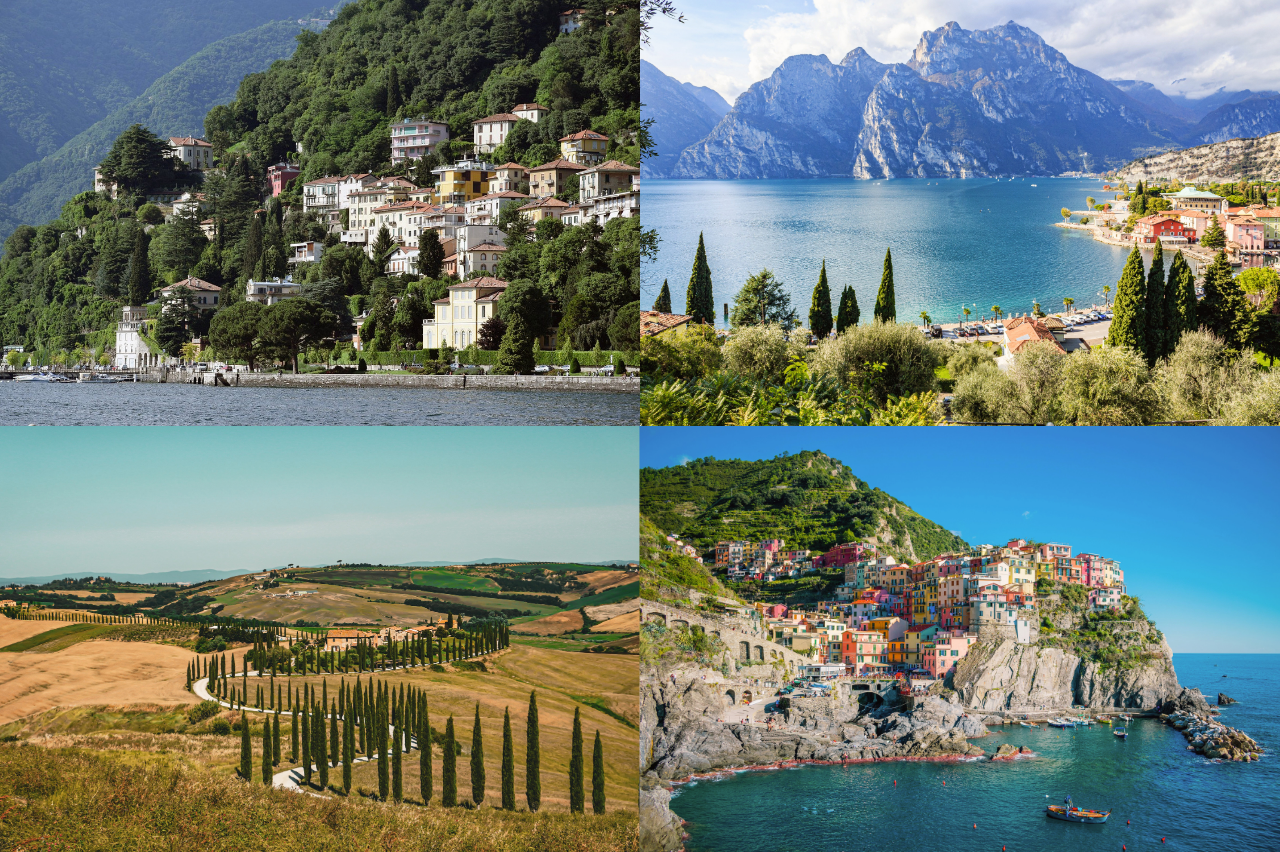
Italy splits into lakes, coast, countryside and cities, and each suits a completely different kind of wedding, which is part of why so many Irish couples end up there. Laura Fox, Aisling Roche and Ellie Connolly have all married in Italy in recent years, each choosing a very different setting. Which one is right for you really comes down to the kind of day you’re picturing.
Lake Como is the one everyone pictures. Seventeenth century villas with frescoed loggias and terraces running down to the water, boats instead of shuttle buses, and a landscape that does the decorating for you. Bellagio sits where the two branches of the lake meet, Varenna is quieter and more intimate, Tremezzo holds the most photographed terraces in northern Italy. It’s also the most expensive option, and the premium has more to do with the postcard than with what you get on the day.
Lake Garda is the largest lake in Italy and consistently overlooked, and we think it deserves a bit more credit. The southern shore around Sirmione is almost Mediterranean, with olive groves and a peninsula holding the ruins of a Roman villa. Head north and it turns alpine. Verona airport is thirty minutes from the southern shore, which matters when you’re moving eighty guests who’ve just flown from Dublin. Same guest list, same standard of property, noticeably less money than Como.
Tuscany is the countryside option, think stone farmhouses, cypress avenues, long tables under pergolas. It suits couples who want a relaxed multi day celebration rather than a formal one. Florence is the practical base, and the range of properties is wider than any other region, which also means the quality varies more, so this is one where it really pays to see photos from a real wedding, not just the marketing shots.
The Cinque Terre is extraordinary and demanding in equal measure. Five villages built into the Ligurian cliffs, connected by train and boat and almost nothing else! Much of the coastline sits inside a protected national park, so private properties available for events are genuinely few. It works beautifully at twenty to thirty guests and stops working above that, so if you’re picturing a big day here, it’s worth rethinking the guest list first.
Most Irish Couples Propose There First
There’s something lovely happening ahead of a lot of Italian weddings, plenty of couples make their first trip to Italy not for the wedding, but for the proposal. It becomes part of the story before the story even properly starts, usually a long weekend together a year or two before the big day.
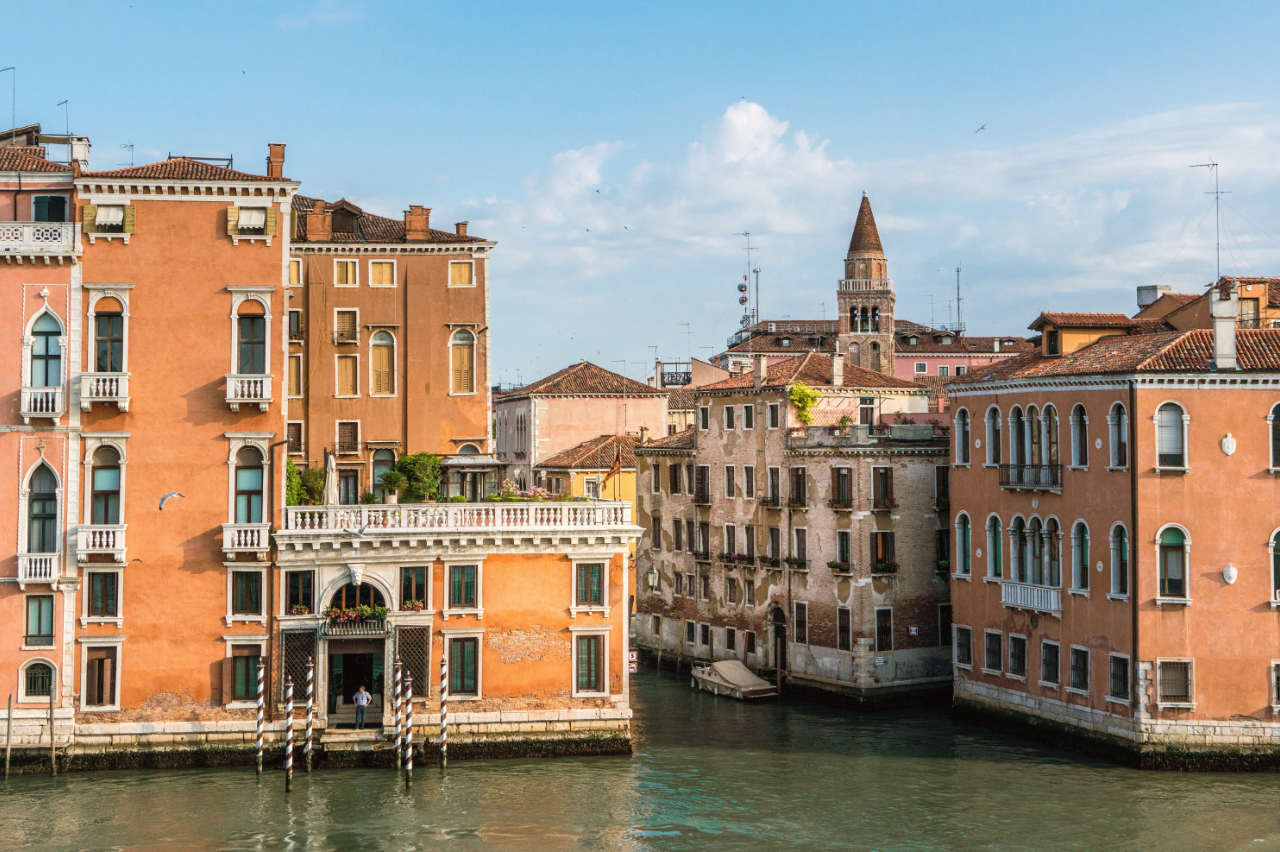
Venice is the classic choice, but the version worth proposing in is the one most tourists never see. Get up for six in the morning and the canals are flat, the only traffic is delivery barges, and the light comes off the water and hits the stone in a way that just doesn’t happen later in the day. By eight it’s gone and the city belongs to everyone else again.
“The emotional part is never the difficult bit,” says Alessandra Ferretti, an Italian wedding and proposal planner with over thirty years of experience. “The difficulty is that four separate things have to arrive in the same place within minutes of each other, in a city where nothing runs on wheels, a photographer, a boat, a table, and a person who must not suspect anything.”
If you’re planning a marriage proposal in Italy from home, the bit couples tend to underestimate is what happens after the question, not before. Those six hours are the ones you’ll both talk about for years, and they need to be booked in advance even though it feels a bit presumptuous doing that before you’ve even asked.
What a Wedding Package in Italy Actually Costs
The honest answer varies more than any brochure admits, but the shape of it is consistent.
A mid-sized destination wedding in Italy typically runs between €20,000 and €35,000. That covers venue, catering, flowers, photography and coordination for a guest list in the fifties or sixties. Como sits at the upper end, Garda and the Ligurian coast lower, Tuscany somewhere between with the widest range of any region.
What moves the number most isn’t the venue, it’s the structure of the day itself. A single afternoon costs one thing. Three days with a welcome dinner, an excursion and a farewell brunch costs another, and it’s the second version guests tend to remember longest.
Two costs Irish couples routinely forget, transport for guests who can’t manage steep village staircases, and the accommodation gap. Italian venues rarely house everyone on site, so large groups end up split across two or three hotels with transfers arranged between them. Worth factoring in early, before you fall in love with a venue that won’t quite work for your numbers.
Sorting Your Paperwork From Ireland
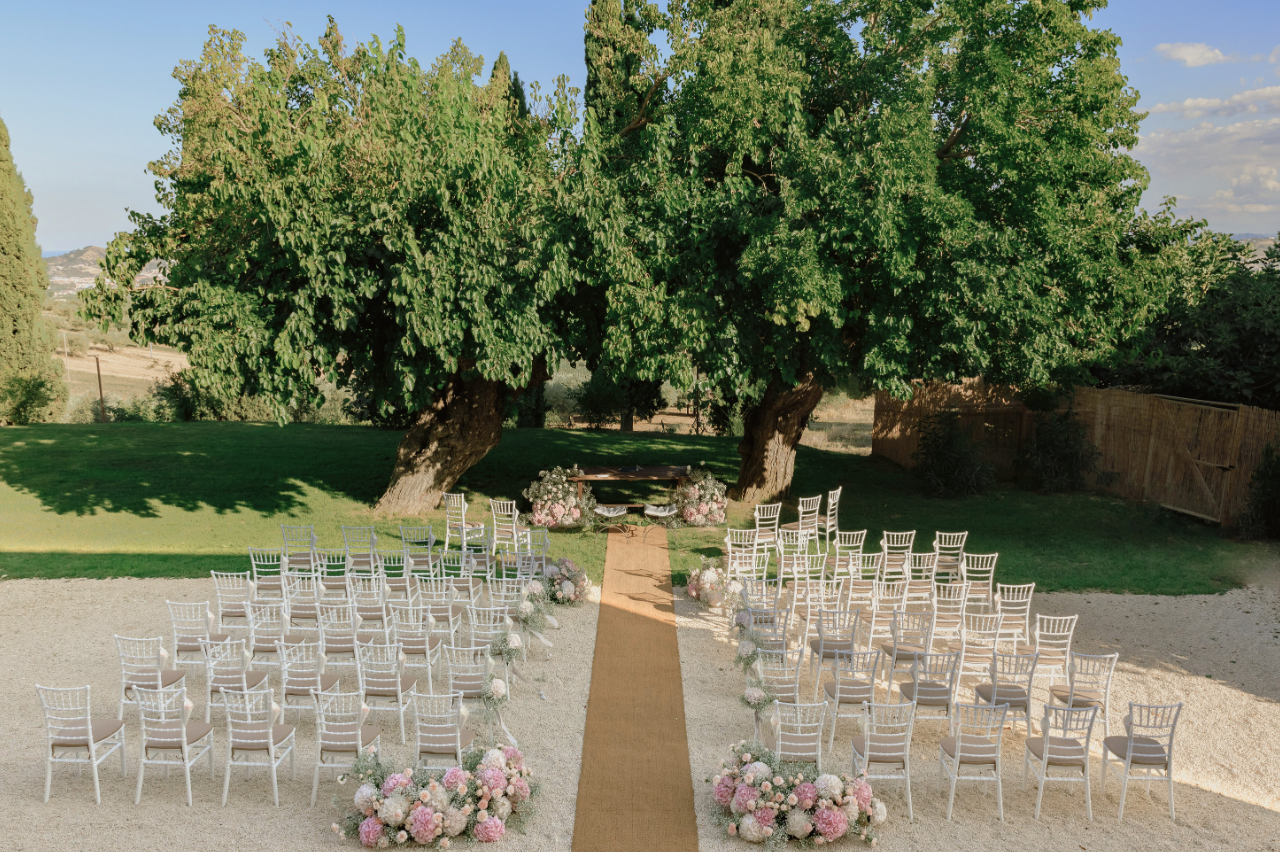
A civil marriage in Italy for Irish citizens requires documentation prepared in advance, legalised, and in most cases translated by a certified translator. Requirements differ by the commune where the ceremony takes place, and documents usually have a validity window, so timing matters more than couples expect.
Many couples take the other route, they complete the legal marriage at home in Ireland, then treat the Italian day as a symbolic ceremony. Same venue, same photographs, same three days, none of the administrative risk. Guests can’t tell the difference and generally never ask.
Neither approach is better than the other. But the choice needs making early, because it determines how much lead time you’ll actually need.
When to Go
September and early October are the best months by far. The crowds thin out, the heat breaks, and the late afternoon light does the thing photographers become evangelical about. Late April through early June is the second window, with more colour in the gardens and slightly more rain risk.
July and August are hot, crowded and expensive. November through March is quiet and considerably cheaper, though many venues close for the season entirely, so double check availability before you get your heart set on a date.
How Far Ahead to Start
For a sought after villa on one of the lakes in peak season, eighteen to twenty four months isn’t excessive. Tuscany runs slightly shorter. The Cinque Terre, precisely because there are so few private options, books further out than its size would suggest.
“The bottleneck is never the flight or the hotel,” Ferretti says. “It’s the two or three things that are genuinely scarce, the right photographer at the right hour, and the handful of properties worth having.”
Before You Sign Anything
A few things are worth asking before you commit to a venue. Start with the licensed capacity for a seated dinner, as opposed to a standing reception, the two numbers are usually different, and only one of them matters to you.Ask whether the venue permits external catering. Some require you to use their in-house team, which removes a decision you may have wanted to make yourself.
Ask what the plan is if it rains. A vague answer usually means there isn’t one.
And ask who will physically be there on the day, not who sold you the venue, but who’ll actually be standing on the terrace at four in the afternoon if a delivery hasn’t arrived.
A Few Last Things Worth Knowing
What separates a good Italian wedding from a great one tends to come down to the details nobody writes down. Which villa garden holds its light until six in October and looks flat an hour later. Which caterer can genuinely handle a hillside with no kitchen access. Which properties will tell you they allow a marquee and then produce a licence saying otherwise. Which train from La Spezia actually runs on a Sunday in September.
That knowledge belongs to people who’ve worked in one place for years, which is really the best argument for having someone local involved when you’re planning from two thousand kilometres away.
With the right planning behind you, all that’s really left to do is enjoy it, the food, the light, the people you love most, all gathered somewhere that feels like it was made for exactly this.